How to Choose the Right IBC Tank for Your Business
A comprehensive guide to selecting the perfect IBC tank based on your industry, storage needs, and budget.
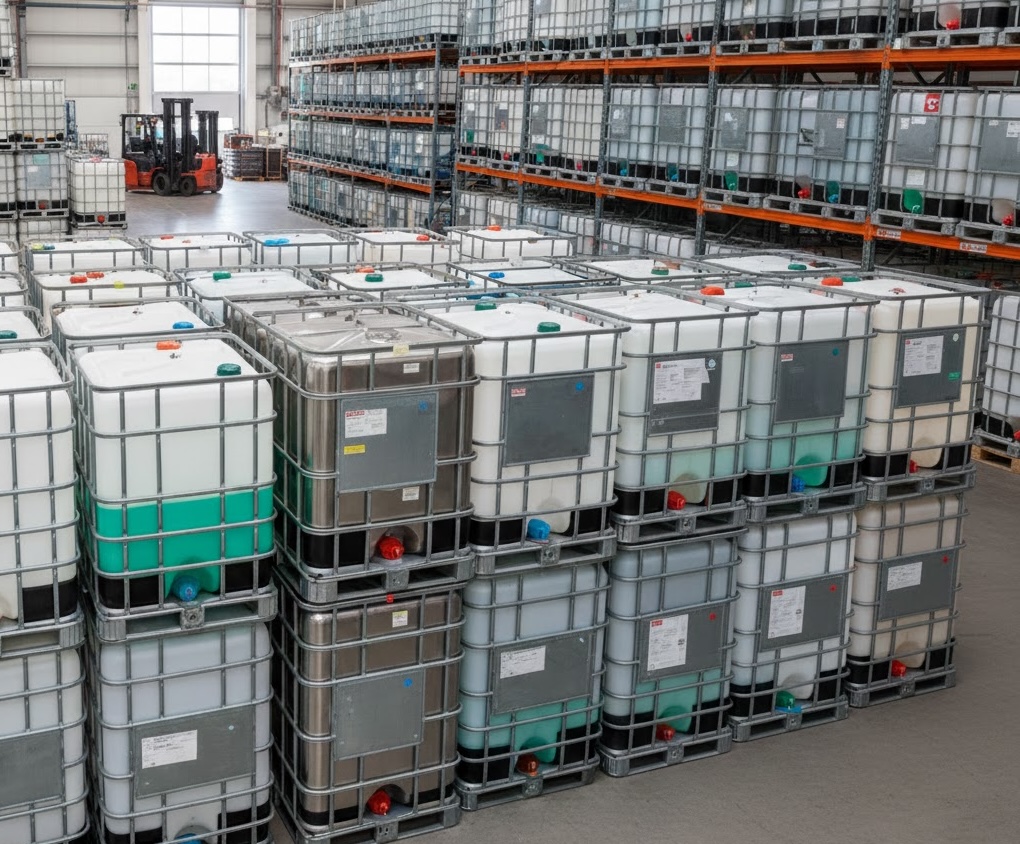
Choosing the right IBC (Intermediate Bulk Container) tank is crucial for efficient operations, regulatory compliance, and cost management. This guide walks you through every factor to consider when making your selection.
Understanding IBC Tank Grades
IBC tanks are typically classified into three grades based on their condition and previous use history. Understanding these grades is essential for making an informed decision.
Grade A - Premium
Like-new condition with minimal cosmetic wear. Ideal for food-grade and sensitive applications.
Grade B - Standard
Good working condition with some visible wear. Perfect for industrial and agricultural use.
Grade C - Economy
Functional with visible wear. Best for non-critical storage and water collection.
Key Factors to Consider
1. What Will You Store?
The contents you plan to store determine the type of IBC you need:
- Food & Beverages: Require Grade A tanks with food-grade certification and clean history
- Chemicals: Need chemical-resistant tanks with proper UN ratings
- Water: Grade B or C tanks work well for rainwater collection and irrigation
- Agricultural Products: Fertilizers and pesticides need appropriate chemical compatibility
2. Capacity Requirements
IBC tanks come in several standard sizes:
3. Space and Handling
Consider your available space and handling equipment. Standard 275-gallon tanks are designed to fit on standard pallets and can be easily moved with a forklift. Larger tanks may require more space and specialized handling.
4. New vs. Used
Used IBC tanks offer significant cost savings (40-60% less than new) while providing the same functionality. For most industrial applications, reconditioned Grade A or B tanks are the optimal choice, balancing quality and value.
Quick Decision Guide
Questions to Ask Your Supplier
- What was previously stored in the tank?
- Has the tank been cleaned and reconditioned?
- What certifications does the tank have?
- Is documentation available for food-grade applications?
- What warranty or guarantee is offered?
- Can you provide bulk pricing for larger orders?
Conclusion
Selecting the right IBC tank comes down to understanding your specific needs and matching them with the appropriate grade, size, and certification. When in doubt, consult with a reputable supplier who can guide you based on your industry requirements.
Need Help Choosing?
Our experts can help you select the perfect IBC tank for your application.
Get Expert AdviceGet a Free Quote
Fill out the form below and we'll get back to you within 24 hours.