IBC Tank Safety: Handling and Storage Guidelines
Essential safety guidelines for handling, storing, and transporting IBC tanks to protect your team and ensure compliance.
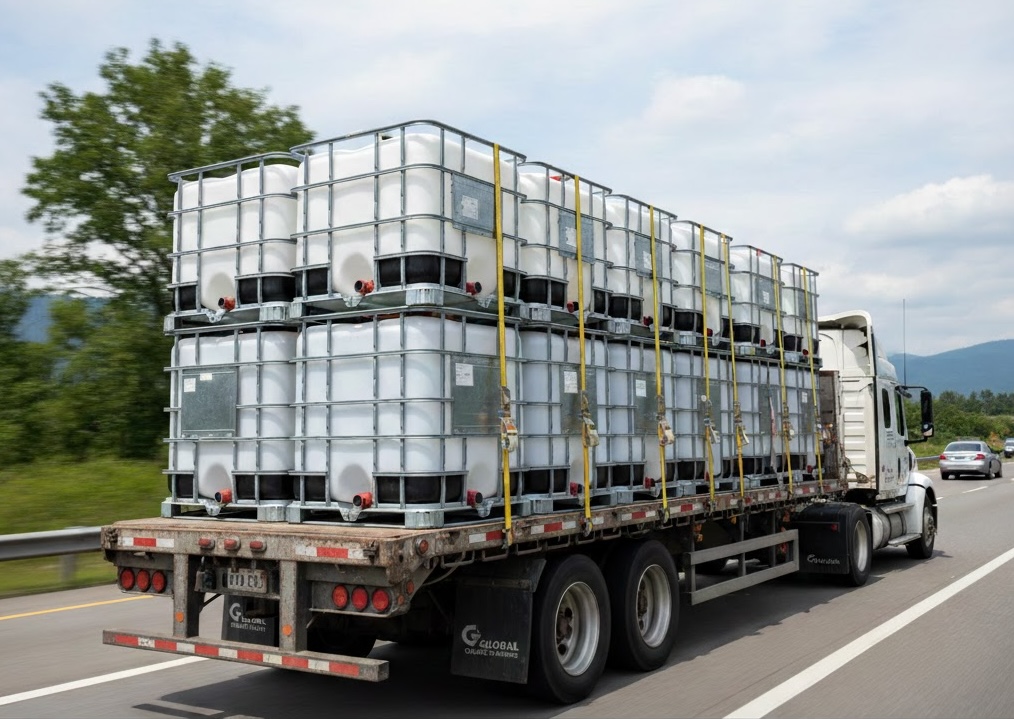
IBC tanks are designed for safe storage and transport of liquids, but proper handling is essential to prevent accidents, spills, and injuries. This guide covers the key safety practices every facility should implement.
Safety First
Always read the Safety Data Sheet (SDS) for the contents before handling any IBC tank. Different materials require different safety precautions.
Safe Handling Practices
Moving IBC Tanks
- Always use appropriate lifting equipment (forklift, pallet jack)
- Never lift tanks by the valve or discharge assembly
- Ensure the lifting equipment is rated for the tank's weight
- Check that the pallet base is secure before lifting
- Move slowly to prevent liquid sloshing and instability
Personal Protective Equipment (PPE)
Standard Handling
- • Safety glasses
- • Work gloves
- • Steel-toed boots
- • High-visibility vest
Chemical Handling
- • Chemical-resistant gloves
- • Face shield or goggles
- • Chemical-resistant apron
- • Respiratory protection if required
Storage Requirements
Location Selection
Choose an appropriate storage location based on the contents:
- Level, stable surface that can support the weight
- Protected from direct sunlight (UV degrades plastic over time)
- Away from heat sources and ignition sources
- Adequate ventilation for chemical storage
- Secondary containment for hazardous materials
Stacking Guidelines
Safe Stacking Practices
- • Stack only if manufacturer approved
- • Maximum 2 high when full
- • Align tanks properly
- • Use on flat, level surfaces
- • Stack damaged tanks
- • Mix different size tanks
- • Stack on uneven ground
- • Exceed weight limits
Regular Inspection Checklist
Inspect IBC tanks regularly to identify issues before they become hazards:
Emergency Procedures
Spill Response
- Alert nearby personnel and evacuate if necessary
- Identify the spilled material using labels/SDS
- Don appropriate PPE before approaching
- Stop the source if safe to do so
- Contain the spill using absorbents or barriers
- Clean up according to material requirements
- Dispose of contaminated materials properly
- Document the incident
Emergency Contacts
Keep emergency contact numbers posted near IBC storage areas, including local emergency services, poison control, and your facility's safety officer.
Regulatory Compliance
IBC tank handling and storage may be subject to various regulations:
- OSHA: General workplace safety requirements
- EPA: Environmental protection and spill prevention
- DOT: Transportation of hazardous materials
- Local Fire Codes: Storage quantities and locations
Conclusion
Following proper safety procedures protects your employees, your facility, and the environment. Regular training and consistent enforcement of safety protocols are essential for maintaining a safe workplace.
Need Safety-Compliant Tanks?
We provide properly inspected and certified IBC tanks with full documentation.
View Our ProductsGet a Free Quote
Fill out the form below and we'll get back to you within 24 hours.